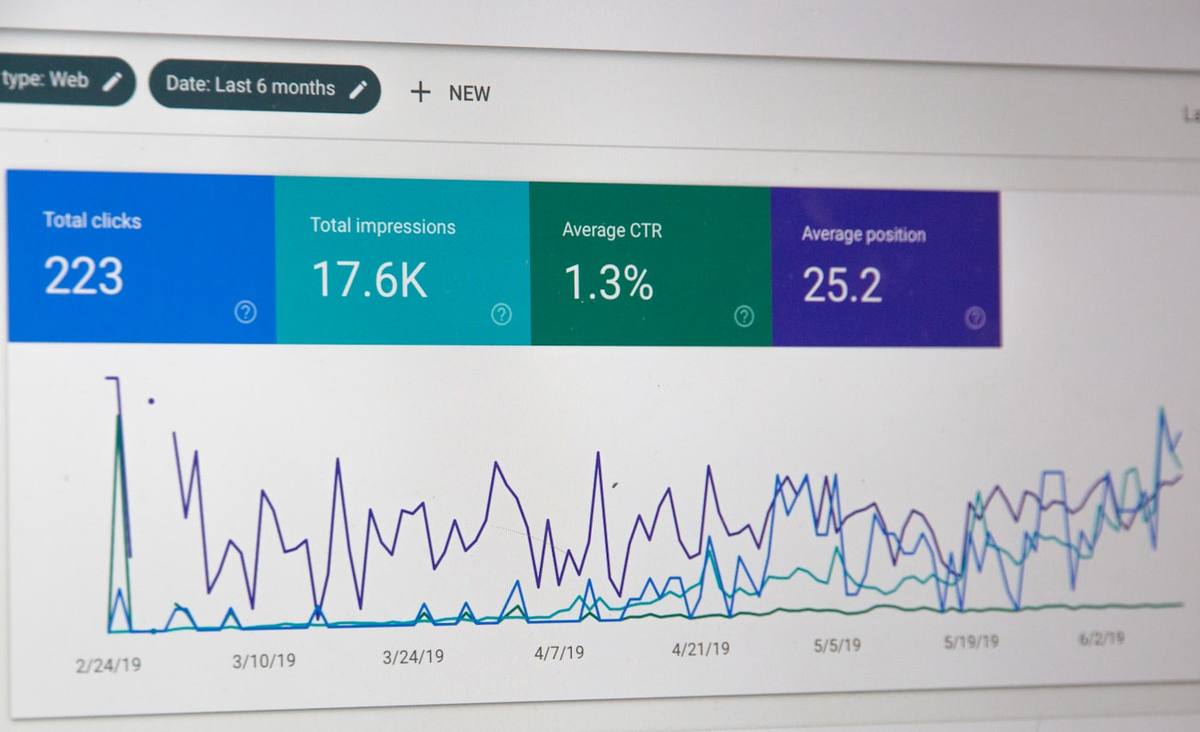
Campaign architecture
One structure across Sponsored Products, Brands, and Display, with a naming convention you can read and budgets that ladder up to hero, supporting, and defensive tiers.
Services
Sponsored Products, Sponsored Brands, Sponsored Display, and DSP, run as one budget against one set of numbers.
Most Amazon ad accounts we inherit are not badly managed. They are unmanaged in a particular way: someone set them up competently two years ago, then nobody had time to question the structure again. Campaigns accumulate. Budgets get topped up. ACoS drifts and gets explained away.
We rebuild the account around the products that carry the business, then run it against contribution margin rather than return on ad spend. Those two numbers disagree more often than people expect, and margin is the one that pays wages.
On the left, what brands tell us on the first call. On the right, what it usually turns out to be once we have the numbers.
ACoS looks fine but profit is flat
Branded search is propping up the blended number. Strip it out and the non brand campaigns are usually running at two or three times the reported figure.
Spend keeps climbing to hold the same revenue
Budget is spread evenly across a catalogue where six products do the work. The long tail eats the increases.
One product is eating the budget and not converting
Almost always a listing problem wearing an advertising costume. No bid fixes a page that converts at 9%.
Nobody can explain what changed last month
No naming convention and no structure, so there is nothing to compare against. This is the cheapest of the four to fix.
One structure across Sponsored Products, Brands, and Display, with a naming convention you can read and budgets that ladder up to hero, supporting, and defensive tiers.
Reviewed weekly against margin, not just ACoS. Placement modifiers, dayparting where the data supports it, and negatives maintained rather than dumped in once.
Every fortnight, harvest what converted and cut what did not. This is unglamorous and it is where most of the compounding happens.
Audiences built from Amazon Marketing Cloud rather than off the shelf segments. Retargeting, competitor conquesting, and lapsed buyer campaigns, at whatever budget the account can justify.
A spend ceiling on your own name so you stop paying full price for customers who were already coming.
Weekly numbers with a written note on what changed and what we are doing about it. No 40 page deck.
No two accounts move at the same speed, but the sequence rarely changes. If we are going to be wrong about something, it shows up in the first eight weeks.
This is a fit if
Audit and baseline. We pull 24 months of history and rebuild the margin picture per ASIN before touching a bid.
Restructure. New campaign architecture goes live in stages so we can see what moved and why.
Stabilise. Bids, negatives, and placements settle. This is usually where ACoS starts falling.
Scale. Budget moves toward whatever is proving itself, and we start testing the next thing.

When this is the wrong thing to buy
If you are spending under about $6,000 a month on ads, a managed service costs more than it returns. Take the audit instead, run it yourself for six months, and come back when the account is big enough to pay for the attention.

Case study · Health & Household
Volara sells sports nutrition across three marketplaces. When they came to us the ad account had 112 live campaigns, no naming convention, and a reporting deck that only counted branded search.
Office Products
A Shopify brand with no Amazon presence at all. We launched four products, not nineteen.
Grocery
We turned their advertising off on two products. Revenue on both held.
No. Charging a percentage of spend pays us to spend more, which is a strange thing to build into an agreement. We work on a flat monthly fee based on catalogue size and complexity.
Restructuring costs you a fortnight of performance while the campaigns re-learn. Most accounts are back to their old numbers by week four and meaningfully ahead by week eight. Anyone promising faster is guessing.
Sometimes. If the account is well built we will say so and leave it alone. If it has 112 campaigns and no naming convention, rebuilding is cheaper than maintaining it.
Not at first. DSP earns its place once search is efficient and you have a retargeting pool worth talking to. Turning it on before that is an expensive way to buy your own traffic twice.
Then we say so. We have taken one client from $5,400 a month to $2,100 with revenue flat, which reduced our own case for a bigger retainer and was still the correct call.
A forensic look at your listings, ads, and fees. Find the leaks before they drain your profit.
Reach shoppers across Walmart, Target, Instacart, and every shelf that matters.
Listings, A+ content, and video that earn trust and turn browsers into buyers.
Send us your numbers and we will tell you where the money is going. You get the findings whether or not you ever work with us.